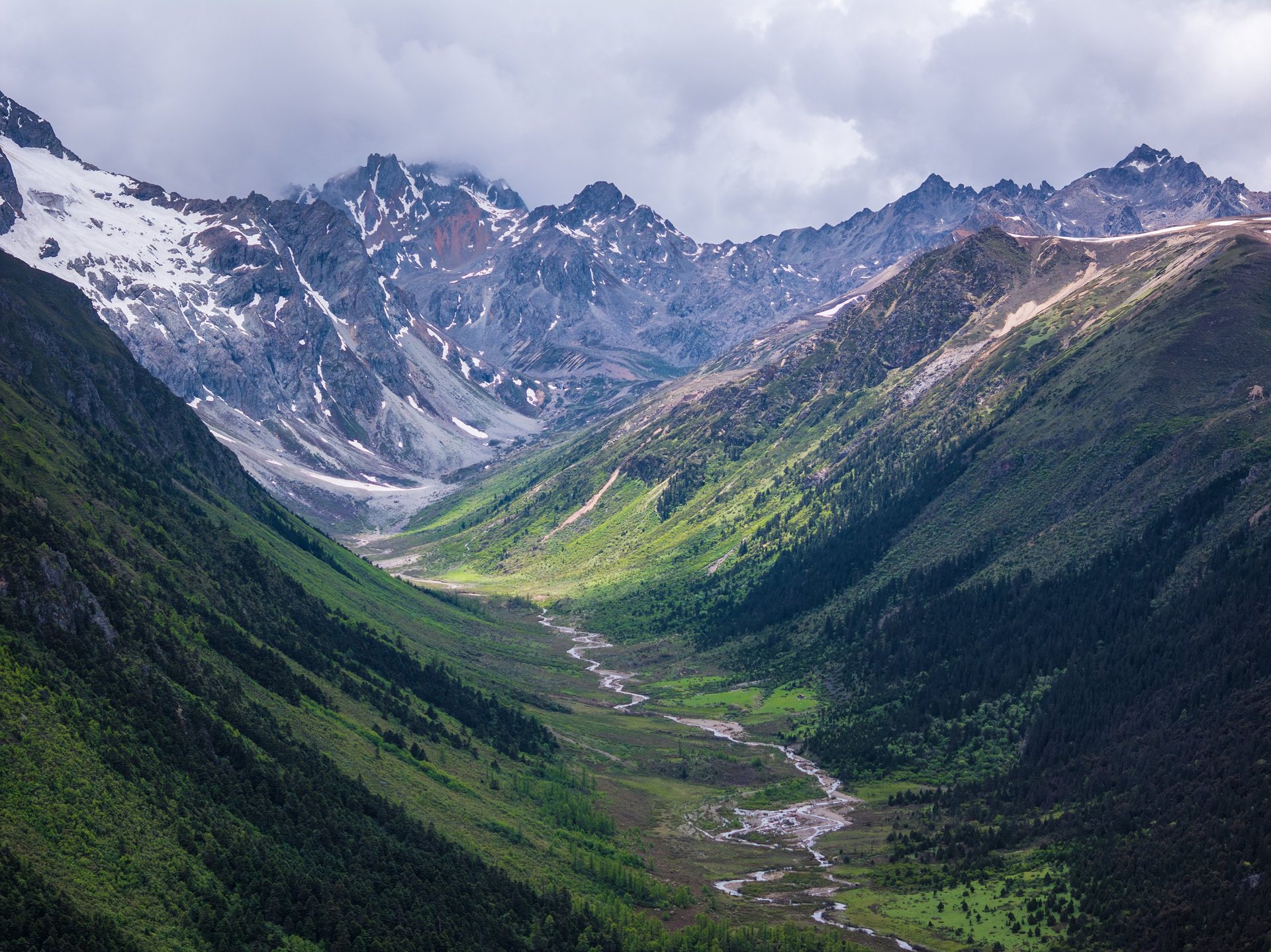
Discover the extraordinary cultural heritage, breathtaking landscapes, and diverse communities of India's eight North-Eastern states — each with its own unique identity, traditions, and mental health landscape.
"One Family, United in Purpose"
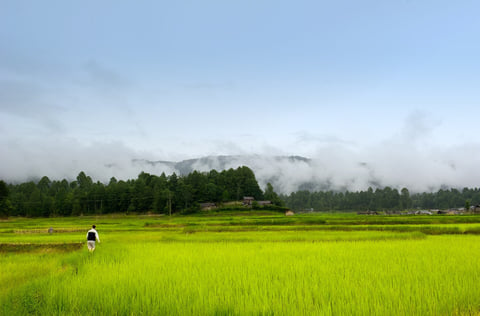
The North-East region comprises eight states, each offering a unique blend of cultural traditions, natural beauty, and community life. Scroll down to explore each state — from the tea gardens of Assam to the monasteries of Sikkim, the living root bridges of Meghalaya to the tribal festivals of Nagaland.
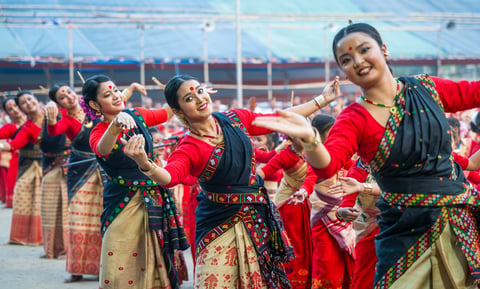
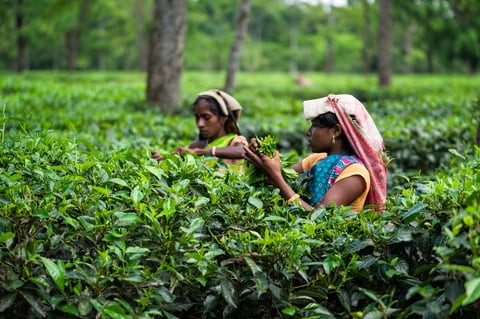
The gateway to the North-East, Assam is renowned for its lush tea gardens, the mighty Brahmaputra River, Kaziranga National Park's one-horned rhinoceros, vibrant Bihu festivals, and rich silk-weaving traditions. As the host state for CPSICON 2026, Assam welcomes you with warmth, cultural richness, and growing academic and clinical mental health institutions.
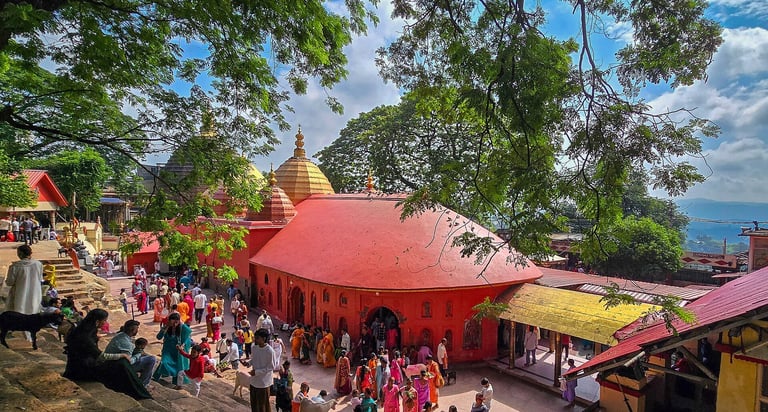
Home to the historic Kamakhya Temple and the world's largest river island Majuli, Assam blends ancient heritage with modern aspirations — making it the perfect setting for an international conference on clinical psychology.
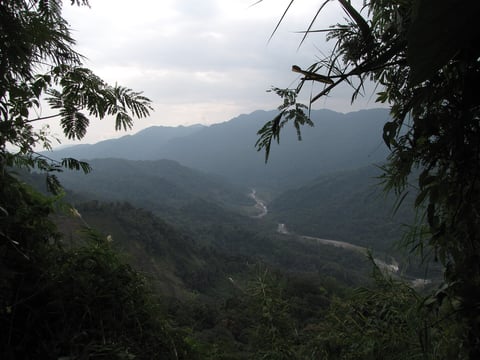
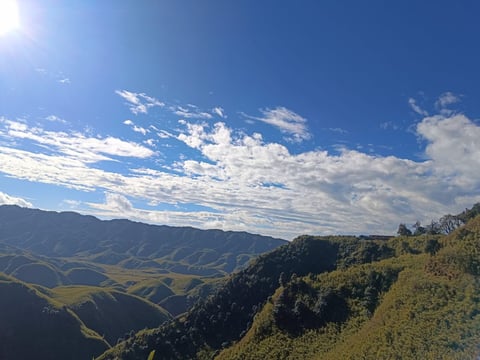
The "Land of the Rising Sun," Arunachal Pradesh is India's easternmost state, home to breathtaking Himalayan landscapes, the serene Tawang Monastery, and over 26 major indigenous tribes. Its majestic mountains, gushing rivers, and diverse ethnic communities make it one of India's most culturally rich regions.
With distinct customs, languages, and traditional healing practices, Arunachal Pradesh offers unique insights into community-oriented mental health approaches that blend indigenous wisdom with modern clinical practice.
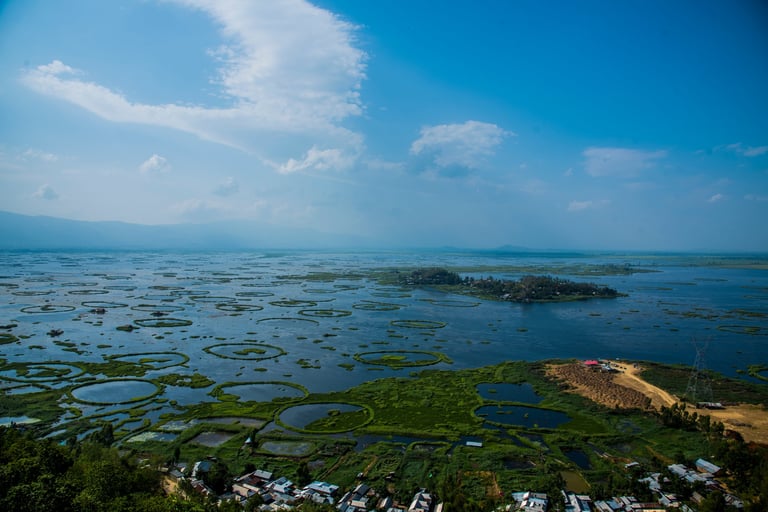
Known as the "Jewel of India," Manipur is famed for its classical Manipuri dance, the floating Loktak Lake — the only floating lake in the world — and a vibrant martial arts tradition. The state's rich cultural tapestry is woven from the traditions of the Meitei community and over 30 hill tribes.
Manipur's strong community life and evolving mental health services present valuable opportunities for culturally sensitive clinical psychology interventions and collaborative research with local practitioners.
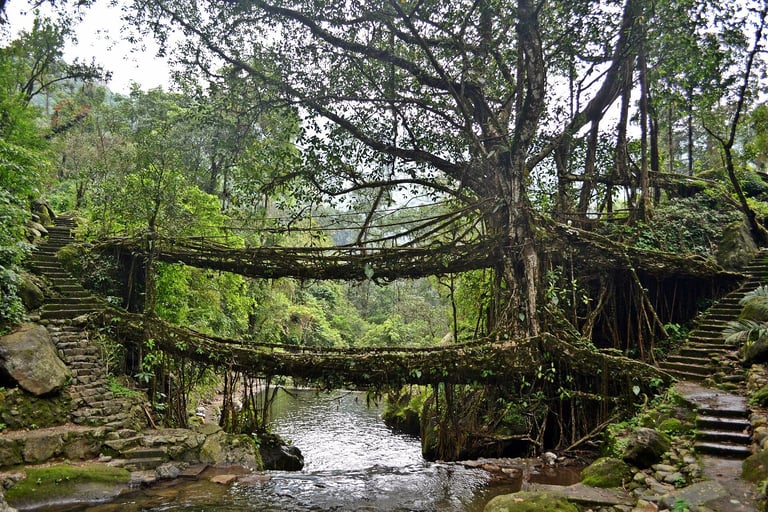
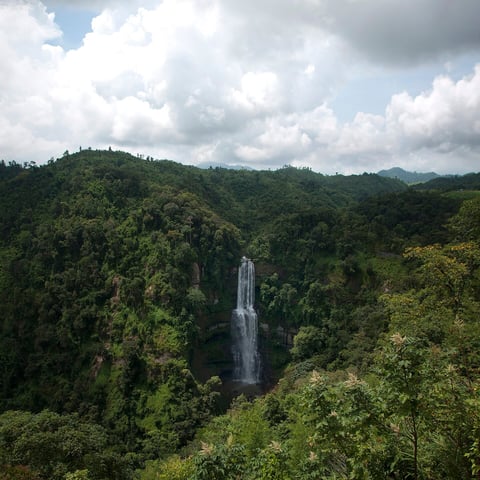
The "Abode of Clouds," Meghalaya is celebrated for being one of the wettest places on Earth, with stunning landscapes featuring living root bridges, majestic waterfalls like Nohkalikai, and the rolling hills around Shillong — the "Scotland of the East."
Notably, Meghalaya's predominantly matrilineal Khasi, Garo, and Jaintia communities offer fascinating perspectives on social structure, gender roles, and community-oriented approaches to health — making it a unique context for mental health research and practice.
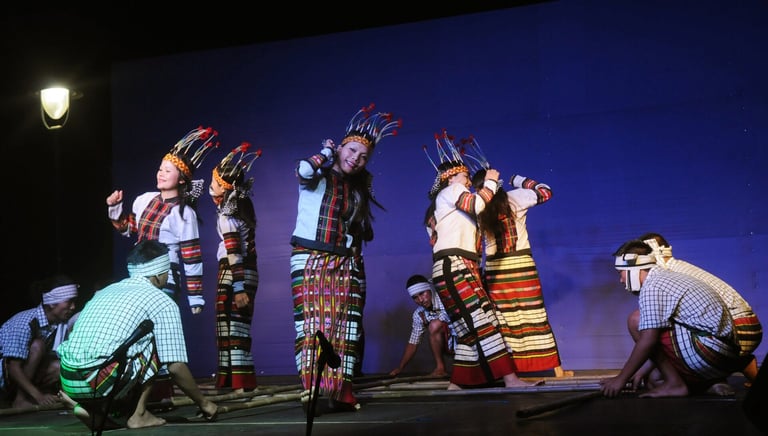
Mizoram, meaning "Land of the Mizos," is known for its picturesque blue mountains, vibrant bamboo dance (Cheraw), and one of India's highest literacy rates. The state's rolling green hills, pleasant climate, and strong community bonds define its way of life.
With strong church-based community networks and high education levels, Mizoram presents excellent opportunities for integrating clinical psychology services with existing community structures, offering models for faith-integrated mental health care.
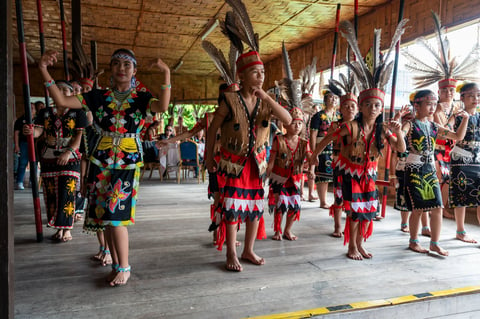
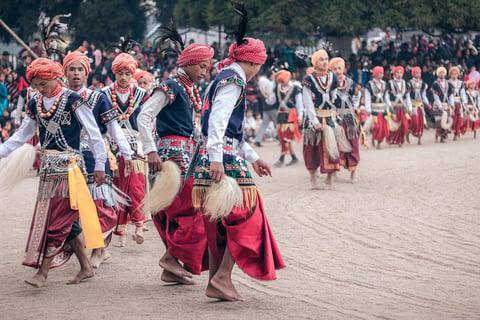
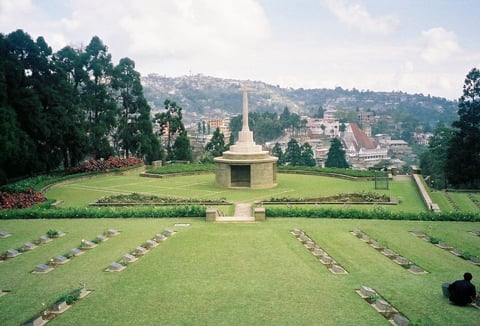
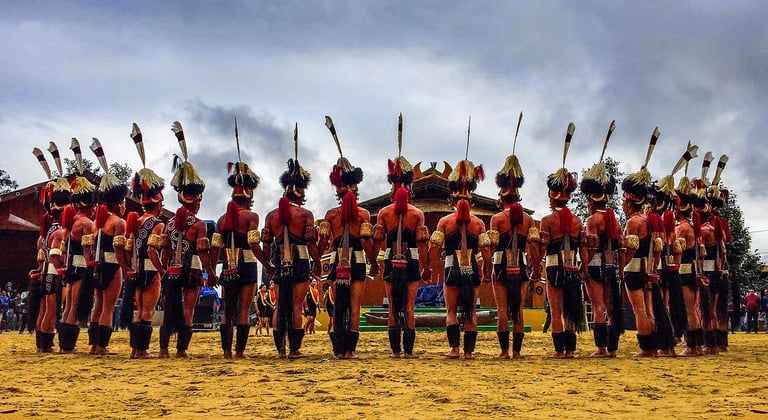
Nagaland, the "Land of Festivals," is home to 16 major tribes, each with its unique language, customs, and colorful traditional attire. The world-famous Hornbill Festival showcases the state's vibrant cultural mosaic and warrior traditions.
With distinct tribal cultures, increasing focus on youth mental health and resilience, and strong community governance systems, Nagaland offers rich ground for culturally adapted mental health interventions and community-based research.
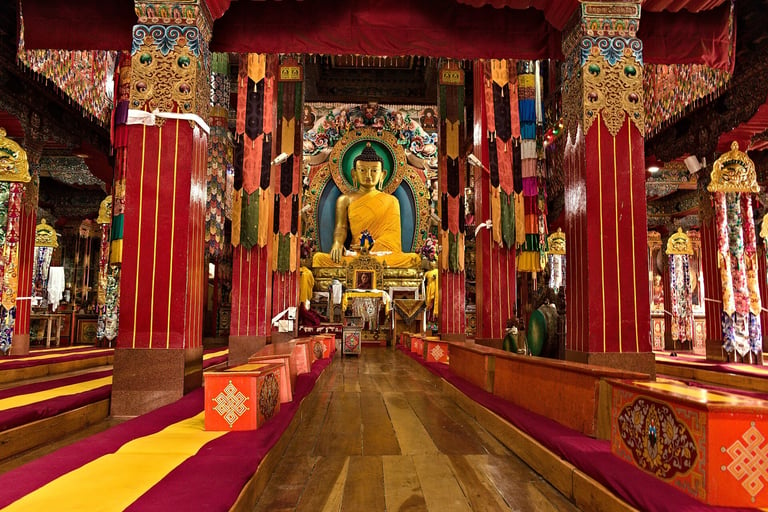
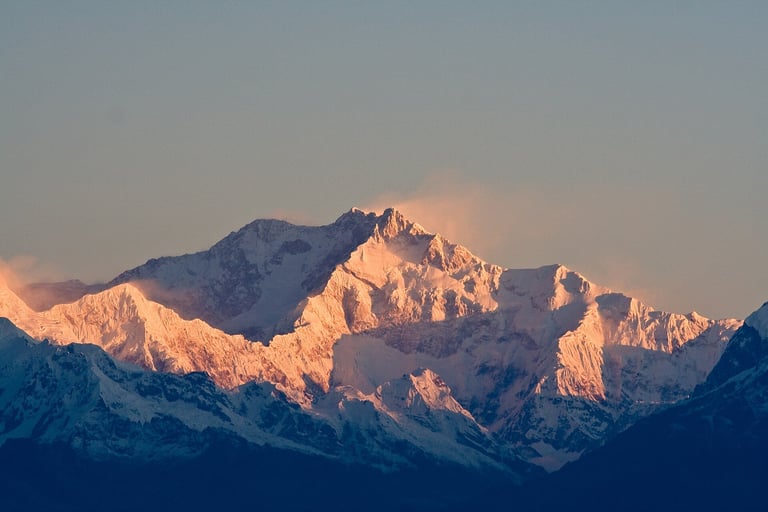
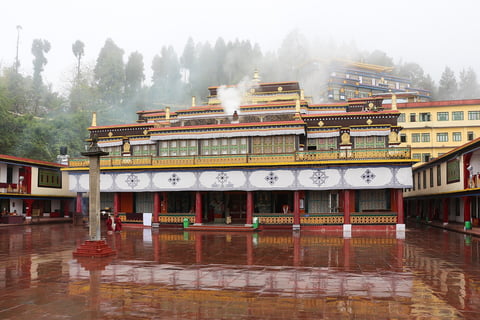
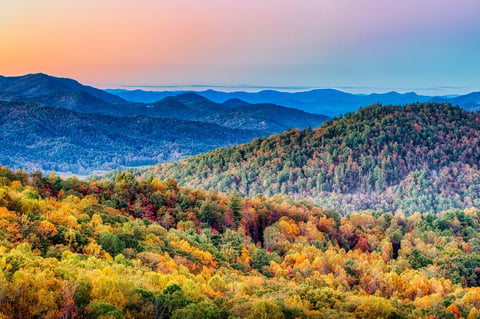
Sikkim, nestled in the Himalayas, is a jewel of natural beauty with the majestic Kanchenjunga — the world's third-highest peak — overlooking its serene monasteries, alpine meadows, and terraced farms. This small state is a model of organic farming, eco-tourism, and cultural harmony.
With a blend of Lepcha, Bhutia, and Nepali cultures, strong Buddhist influences, and progressive public health and mental health programmes, Sikkim represents a successful model of integrating traditional wellness with modern healthcare in a Himalayan context.
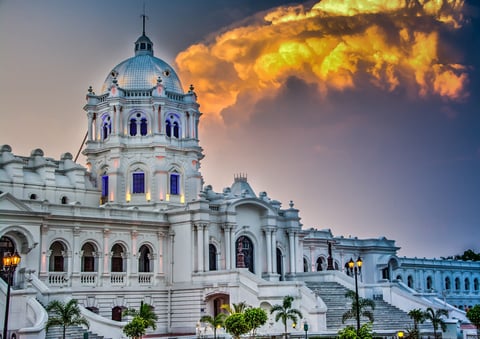
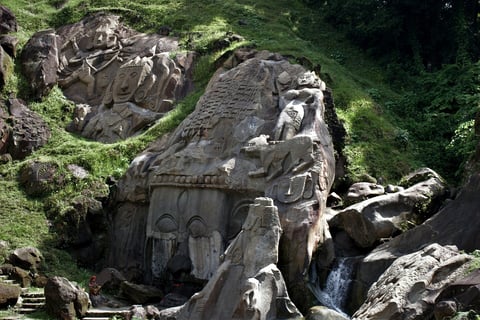
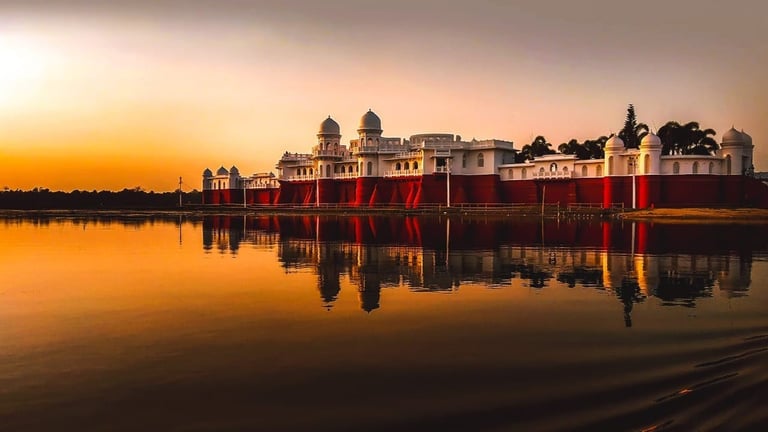
Tripura, one of India's smallest states, punches above its weight in cultural richness. From the magnificent Ujjayanta Palace to the ancient rock carvings of Unakoti and the serene Neermahal water palace on Rudrasagar Lake, Tripura's heritage reflects a beautiful blend of indigenous and Bengali cultures.
With a mix of 19 tribal communities alongside Bengali heritage, growing attention to mental health in public systems, and rich cultural traditions informing community life, Tripura offers valuable perspectives on culturally integrated mental health care.
This conference is imagined as one sister inviting the entire family: Assam as the welcoming host, and the Seven Sister states of Arunachal Pradesh, Manipur, Meghalaya, Mizoram, Nagaland, and Tripura, together with Sikkim, "collaborating-as-equals" to share their diverse cultural heritage and evolving mental health practices.